Generic
Ear Infection vs Earwax Blockage: How to Tell the Difference
By Sri Sai Koti Chennupati | Nov. 4, 2026
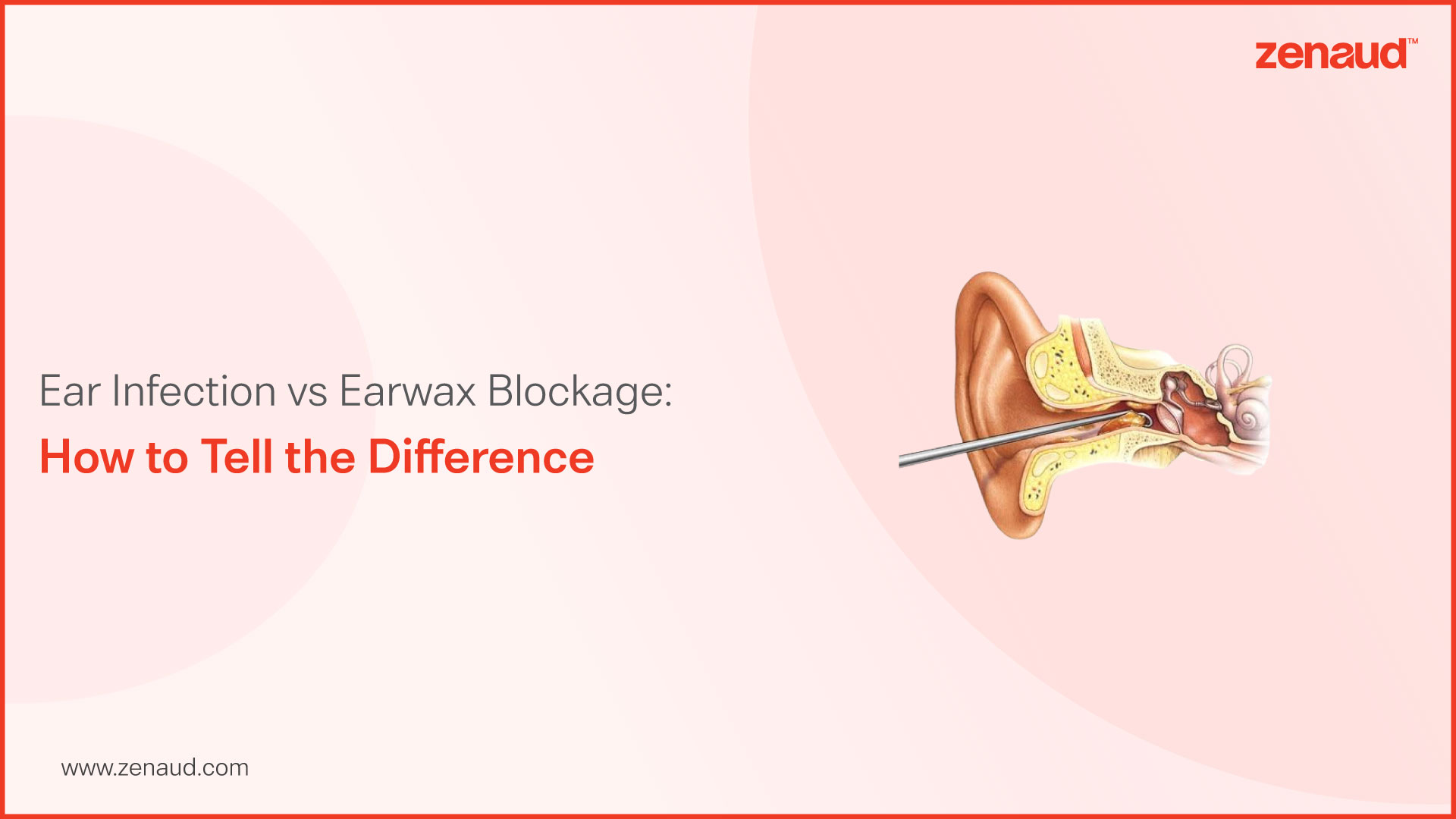
A sudden feeling of fullness in the ear is unsettling. Sounds become muffled and pressure builds, and it is difficult to tell whether something is seriously wrong or simply needs attention. The answer matters, because the right response to one condition can make the other worse.
What Earwax Actually Does
Earwax, or cerumen, is not dirt. The glands in the ear canal produce it to trap dust, lubricate the skin and protect against germs. In most people it moves out of the ear without assistance. Problems begin when it collects faster than it can leave. Cotton swabs are a frequent reason, since they tend to push wax inward. Earbuds and hearing aids can have a similar effect over time, and some people have naturally narrow or curved canals. These are the most common blocked ear causes. Fluid left behind after a cold, allergies and changes in air pressure are other clogged ear causes worth knowing about.
How a Wax Blockage Usually Feels
Wax builds up slowly, so discomfort tends to develop over days or weeks. Typical earwax blockage symptoms include:
- A plugged or full feeling in the ear
- Muffled hearing
- Ringing or buzzing
- Mild itching inside the canal
- Occasional light-headedness
Pain, if present, is usually dull, and fever is not expected. Many people find that the blocked sensation worsens after a shower or after prolonged use of earphones.
How an Infection Usually Feels
An infection is usually more pronounced. It often follows a cold, a sinus problem or time spent in water, and the ear infection symptoms can appear within a day. These include:
- Moderate to severe pain, sometimes sharp or throbbing
- Fever and tiredness
- Fluid or pus draining from the ear
- Tenderness when the outer ear is touched or pulled
- In young children, irritability, disturbed sleep and repeated pulling at the ear
Telling Them Apart
When trying to decide between an ear infection or earwax blockage, a few questions help. How quickly did it begin? Wax builds gradually, while infection tends to start abruptly. How strong is the pain? Significant pain points towards infection, whereas pressure alone points towards wax. Is there any discharge or fever? Either one suggests infection. What happened beforehand? A recent cold or swimming raises suspicion of infection, while regular use of cotton swabs or hearing devices raises suspicion of wax.
These are only pointers and not a diagnosis. The two conditions can also occur together, which is one more reason an examination is worthwhile.
What Each Does to Your Hearing
The link between earwax and hearing loss is straightforward. Wax blocks sound from reaching the eardrum, which causes a mild to moderate conductive hearing loss. Once the wax is safely removed, hearing generally returns to normal.
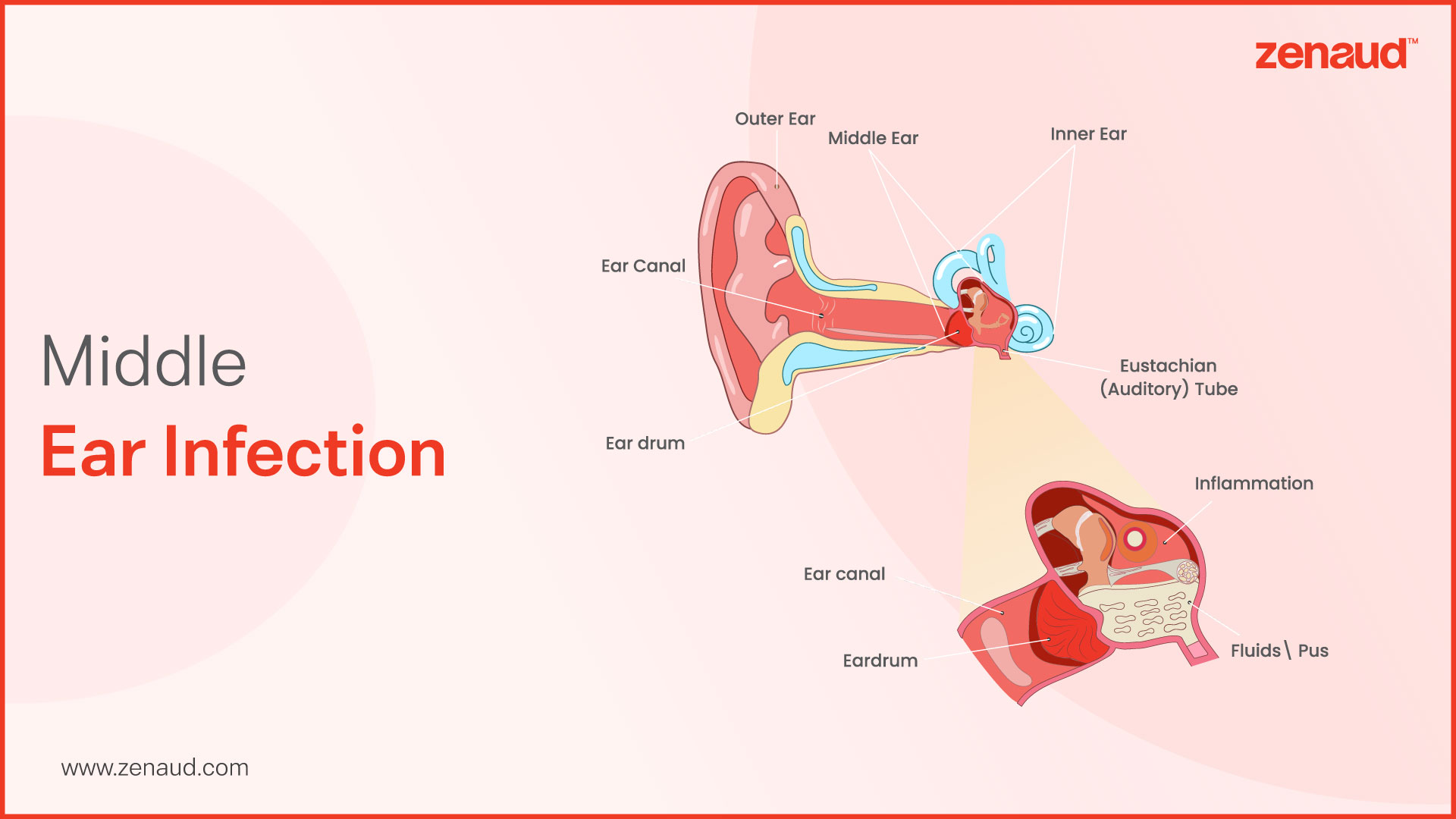
The relationship between ear infection and hearing loss works differently. Swelling and fluid limit the movement of the eardrum and the small bones behind it, so sounds become muffled. In infections of the outer ear, swelling of the canal can also block sound. This usually resolves as the infection heals. Repeated or untreated infections, however, can damage these delicate structures and occasionally cause lasting impairment.
When to See a Professional
Prompt medical attention is advised if you notice any of the following:
- Severe or worsening ear pain
- Fever with ear symptoms
- Discharge containing fluid, pus or blood
- Sudden hearing loss
- Dizziness or poor balance
- Symptoms lasting more than a few days
What to Avoid at Home
Avoid inserting cotton swabs, hairpins, keys or ear candles into the canal. They can push wax deeper, scratch the skin or injure the eardrum. Ear drops and irrigation are unsuitable if a perforated eardrum or an active infection is possible. A trained professional can remove wax by microsuction or gentle irrigation and can treat an infection appropriately.
Final Thoughts
The ear infection vs earwax blockage question is best settled by an examination rather than guesswork. Noting the type of pain, how quickly it started and any other symptoms gives you a sensible starting point. A correct diagnosis, however, protects both your comfort and your hearing in the years ahead.
Blocked ears or changes in hearing? Book a consultation at zenaud.com for a thorough ear and hearing assessment.

Sri Sai Koti Chennupati
Head of Learning and Development
With a Master's qualification in Audiology and Speech-Language Pathology and more than 18 years of clinical practice, I am devoted to providing the highest standard of diagnostic and rehabilitative care in hearing and communication health.
Related Blogs
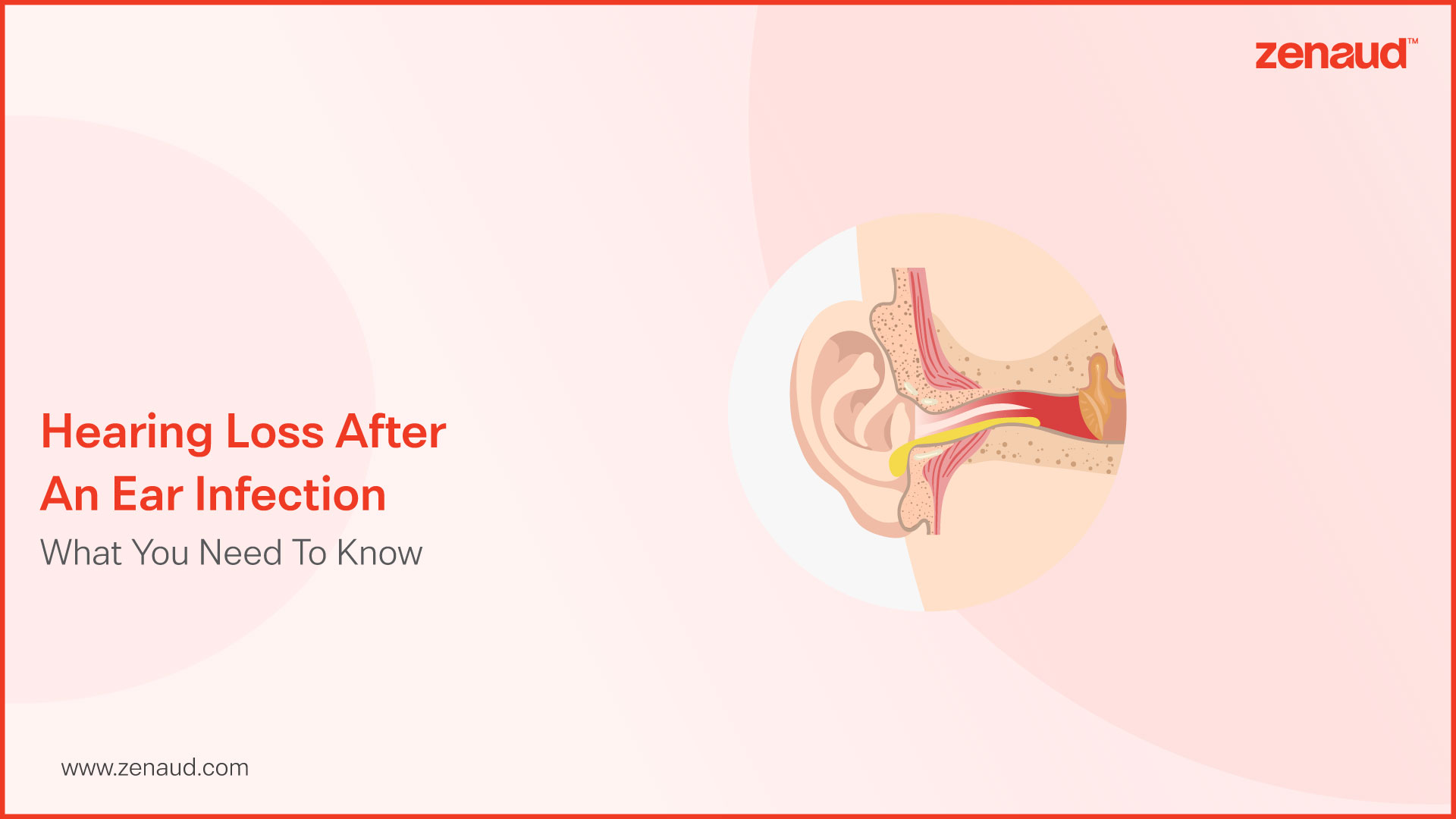
Hearing Loss After an Ear Infection: What You Need to Know
By Sri Sai Koti Chennupati | Aug. 17, 2026
Contact us
We are here for all your hearing needs, from hearing tests to hearing aids. Fill out the form below, and we will give you a call soon.
Recent Blogs
By Team Zenaud | Nov. 2, 2026
By Team Zenaud | Oct. 29, 2026
By Team Zenaud | Oct. 27, 2026
By Dattatreya M | Oct. 26, 2026
By Team Zenaud | Oct. 23, 2026