HEARING AIDS
How to Get Used to New Hearing Aids: A First-Time User Guide
By Team Zenaud | Oct. 23, 2026
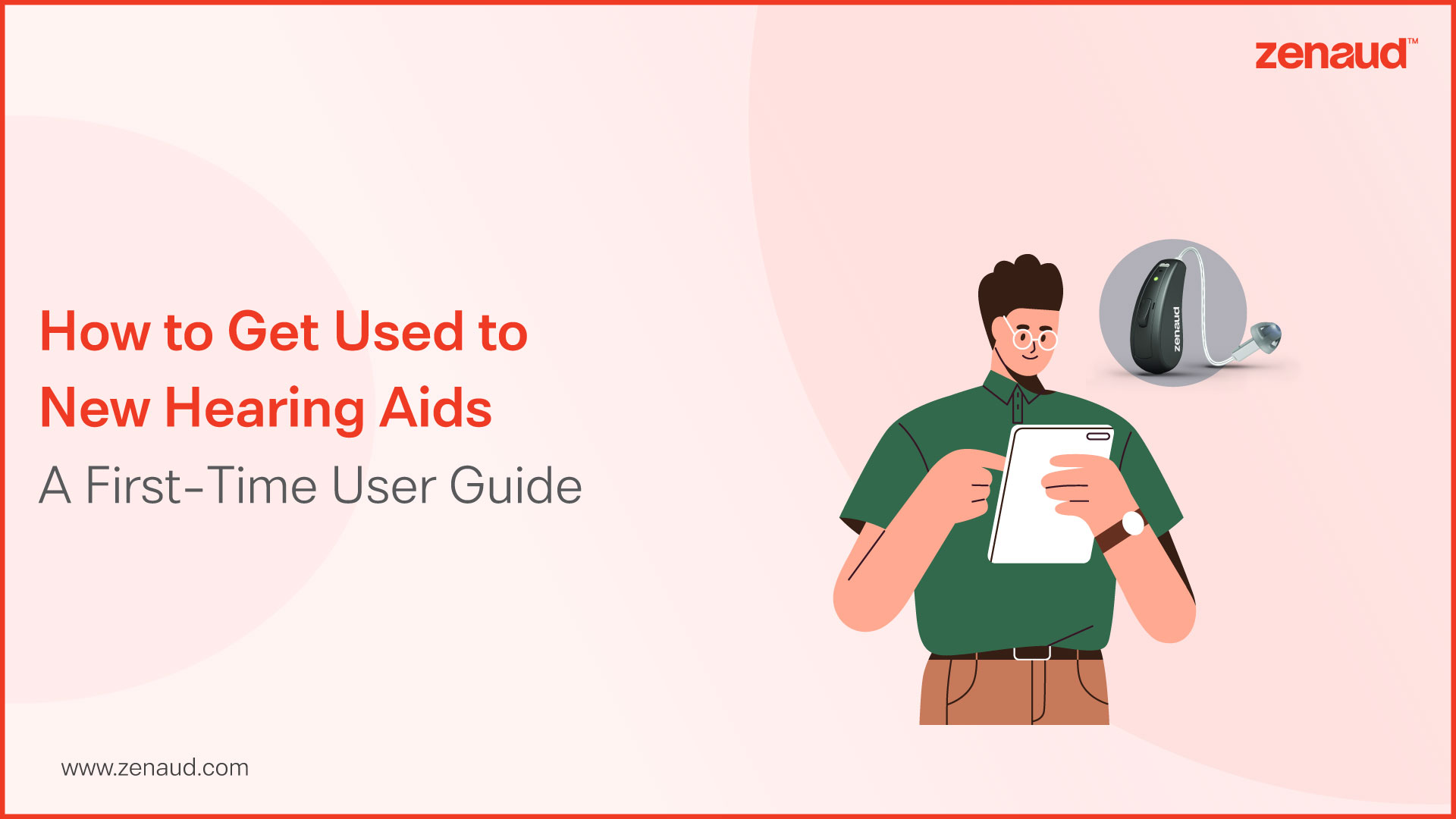
A first pair of hearing aids can feel overwhelming. Clearer conversations are the expected benefit, but they arrive alongside many sounds that have not been heard for years. Your own voice may seem unfamiliar, and the devices may feel noticeable in the ear. These reactions do not indicate a problem. Most new users experience them, and some preparation makes the early weeks considerably easier.
Why the Brain Needs Time
Hearing loss usually develops gradually over several years, and the brain adjusts to receiving less sound. When amplification is introduced, the brain must relearn how to process fine details such as footsteps, running water or a turning page. This hearing aid adaptation is a normal neurological process and does not reflect a fault in the device. Most people feel settled within four to twelve weeks, although those with longer-standing or more significant hearing loss may need additional time.
Building a Wearing Routine
Anyone first-time wearing hearing aids should avoid using them from morning to night immediately. The brain tires quickly when presented with so much new information, so a gradual schedule is more effective.
- Days one to three: two to three hours at home, in a quiet room.
- Week one: half a day, with conversation limited to one person at a time.
- Weeks two to four: morning to evening, including outings and social gatherings.
- After one month: full-day wear should begin to feel routine.
This staged hearing aid adjustment period reduces listening fatigue and builds confidence at a sensible pace.
Common Early Difficulties
Certain complaints appear frequently among beginners, and most have a straightforward solution.
- Your voice sounds hollow or too loud. This is known as the occlusion effect, and an audiologist can adjust the venting or fit to reduce it.
- Background noise seems intrusive. The brain is registering sounds it had stopped noticing. Begin in quiet surroundings and move to busier ones gradually.
- Whistling, also called feedback, occurs. A loose fit or earwax in the ear canal is a common cause, so check the placement first and seek a professional review if it continues.
- The ear feels sore. Slight pressure is common initially, but persistent discomfort requires prompt attention.
Daily Habits That Help
Small, consistent routines support progress. Reading aloud for ten minutes helps you become familiar with your own voice. Watching television with captions helps the brain connect written words with what is heard. Conversation with one person in a quiet room is ideal practice, and facing the speaker provides useful visual cues. It is also advisable to keep a short record of situations that feel difficult, since your audiologist can use these details to fine-tune the settings accurately. Simple new hearing aids tips such as these often improve outcomes noticeably.
Comfort and Care
Good hearing aid comfort depends on a correct fit and regular maintenance. Wipe the devices daily with a soft, dry cloth, store them in a dry case overnight, and replace domes or wax filters as advised. Attend all follow-up appointments. Minor programming changes often resolve concerns that seem significant, and such hearing aid adjustment is a routine part of professional care rather than a sign of failure.
Conclusion
Progress will not always be steady, and some days will feel easier than others. With regular wear, realistic expectations and consistent guidance from an audiologist, adjusting to hearing aids becomes far more manageable, and the benefits to communication, safety and confidence are substantial. Treat this as a hearing aid beginner guide to revisit whenever uncertainty arises. Ready to begin your hearing journey? Visit zenaud.com to explore advanced hearing care solutions and book a consultation with our experts today.
Related Blogs
Hearing Loss and Sleep: Can Poor Sleep Affect Your Hearing?
By Sri Sai Koti Chennupati | Sept. 10, 2026

Contact us
We are here for all your hearing needs, from hearing tests to hearing aids. Fill out the form below, and we will give you a call soon.
Recent Blogs
By Team Zenaud | Oct. 12, 2026
By Team Zenaud | Oct. 6, 2026
By Sharanya Krishnan - Audiologist | Oct. 3, 2026
By Dattatreya M | Sept. 30, 2026
By Sri Sai Koti Chennupati | Sept. 28, 2026