Generic
Why Do Voices Sound Different With Hearing Aids?
By Team Zenaud | Oct. 29, 2026
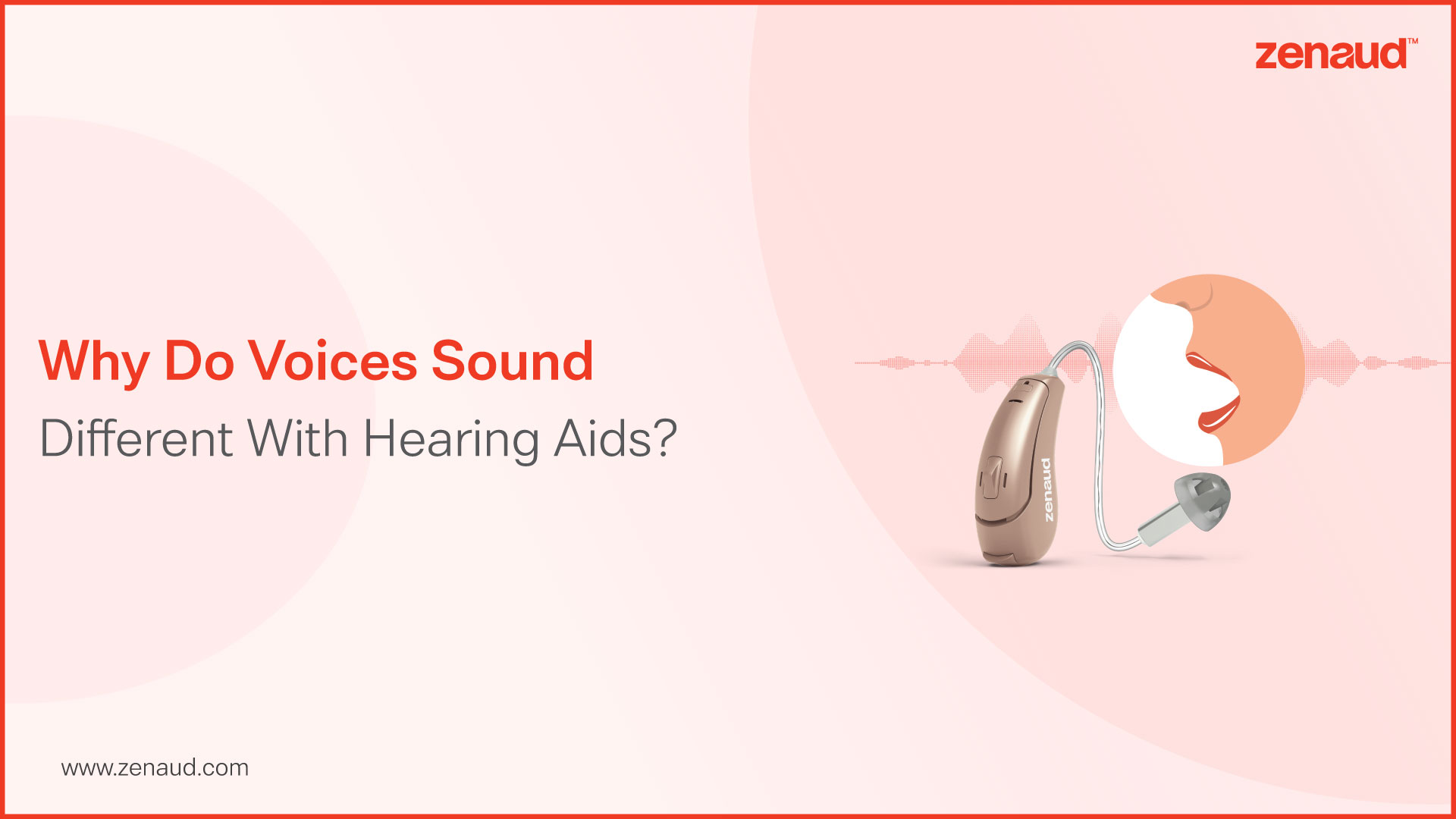
New users are often surprised by what they hear. After years of muffled or incomplete sound, they expect speech to feel natural from the very first day. Instead, voices seem unfamiliar, and sometimes their own voice feels as though it belongs to someone else. The explanation lies in how the ear, the brain and the device share the work.
Understanding the Brain's Role in Hearing
The ear gathers sound, but it is the brain that makes sense of it. When hearing loss develops slowly, the brain gradually adjusts to a reduced supply of information. It stops expecting the softer, higher-pitched parts of speech, such as the "s", "f" and "th", and learns to manage without them.
A hearing aid restores those sounds. The brain, however, has not processed them for years, so the return can feel unfamiliar at first. Voices may seem sharper, brighter or more mechanical than remembered. This is not rejection. It is the brain relearning a skill it had set aside.
Common Reasons Voices Sound Different
Several factors are involved, and most of them ease with time.
- Restored high-frequency sounds: Hearing loss usually takes the higher pitches first. Once they are amplified again, voices can seem thin or sharp, because the brain has grown used to their absence.
- Digital sound processing: Modern devices convert sound into a digital signal, refine it and then deliver it to the ear. Speech can carry a slightly processed quality until the brain becomes familiar with it.
- Your own voice: When a hearing aid partly closes the ear canal, your voice can sound hollow or boomy, similar to speaking inside a barrel. This is known as the occlusion effect.
- Everyday background noise: Sounds that were previously inaudible, such as rustling paper or footsteps, now reach you clearly. They compete with speech and affect how clear a conversation feels.
- Settings still being refined: A device that has not yet been matched closely to your hearing profile may make speech sound unnatural.
Describing the Experience Accurately
People describe the experience in different ways, and each description may point to a different cause. Some say voices sound strange with hearing aids, while others notice a metallic edge. A thin, high-pitched quality is often linked to the complaint that voices sound tinny with hearing aids. A flat, artificial tone is more typical of those who feel voices sound robotic with hearing aids. Being specific about what you notice gives your audiologist something concrete to work with.
What the Adjustment Period Looks Like
Adapting to amplified sound takes time. Most people need a few weeks, and some need a few months, before sound feels natural. The brain learns through steady exposure, and progress depends on the degree of hearing loss and the length of time it went untreated.
A few habits make this stage easier:
- Begin at home in quieter surroundings, then move gradually to busier places.
- Increase wearing time slowly if a full day feels tiring.
- Read aloud or converse with a familiar person to become accustomed to your own voice.
- Note the situations in which sound feels uncomfortable and share them at your next appointment.
- Be patient. Clarity improves steadily with regular use.
Professional Fine-Tuning
Sound quality depends heavily on programming. Every ear is different, and a device must be calibrated to the exact pattern of your hearing loss. Follow-up visits allow your audiologist to adjust volume, frequency balance and noise management according to your feedback.
Fit matters equally. An ill-fitting earmould or dome can cause whistling, a sense of blockage or distortion. Correct sizing and good ear hygiene improve comfort considerably.
If sound remains unpleasant long after the expected period, this does not mean the device is unsuitable. More often, a modified setting or a different fitting resolves the problem.
A Reassuring Outlook
The initial strangeness is a positive sign, as it shows the brain is receiving sounds it had been missing. Over time, voices regain their warmth, conversations require less effort, and listening no longer feels tiring. Many long-term users find it difficult to recall how unfamiliar the early days felt.
Hearing aids are not an instant solution. With regular use, the brain gradually adapts to the restored sound, and the reward is well worth the wait.
Take the Next Step with Zenaud
If voices still do not sound right, expert guidance can help. Visit zenaud.com to explore hearing care solutions and book a consultation with a specialist who will tailor your devices to your needs.
Related Blogs
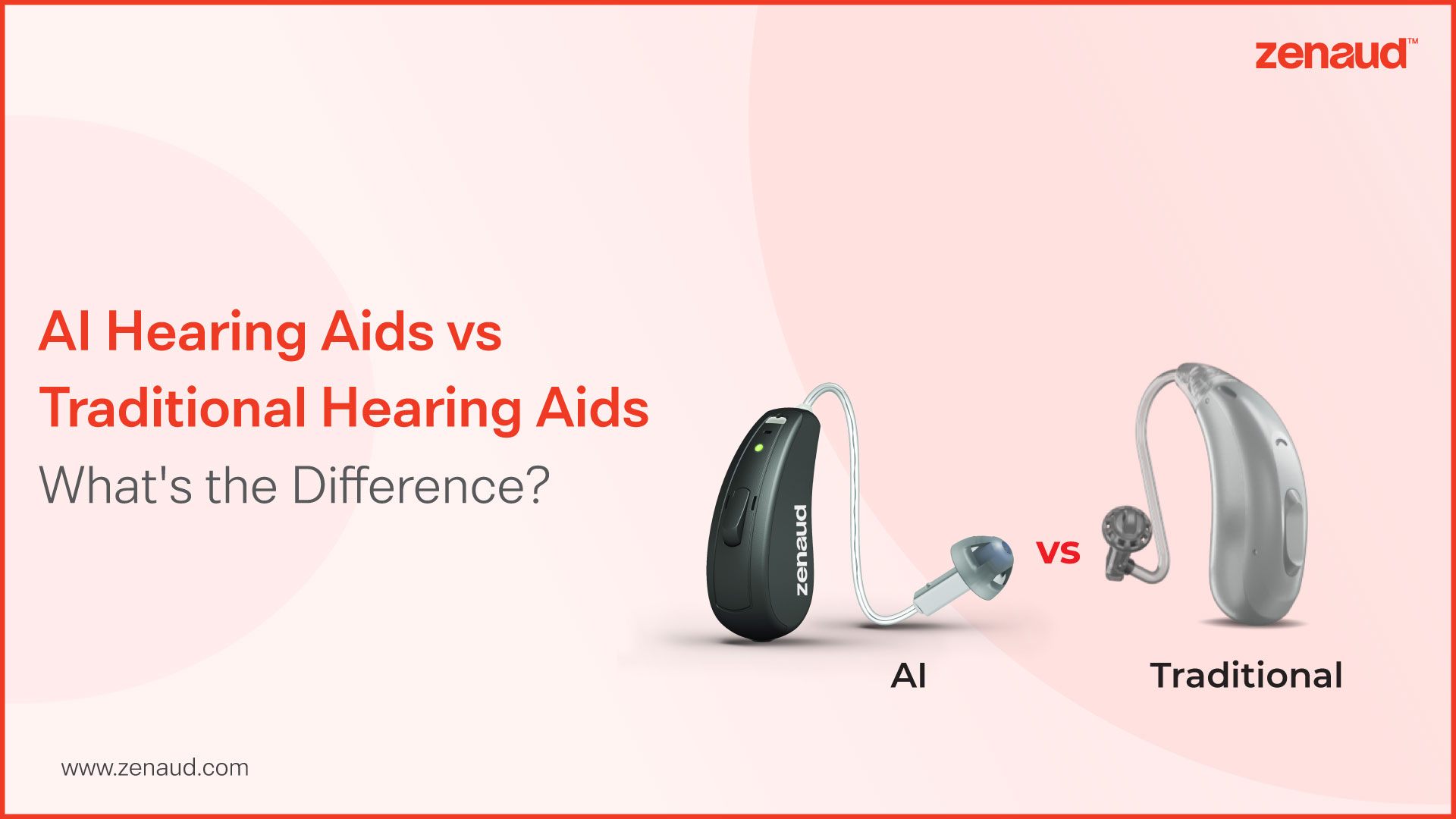
AI Hearing Aids vs Traditional Hearing Aids: What's the Difference?
By Sri Sai Koti Chennupati | Sept. 24, 2026
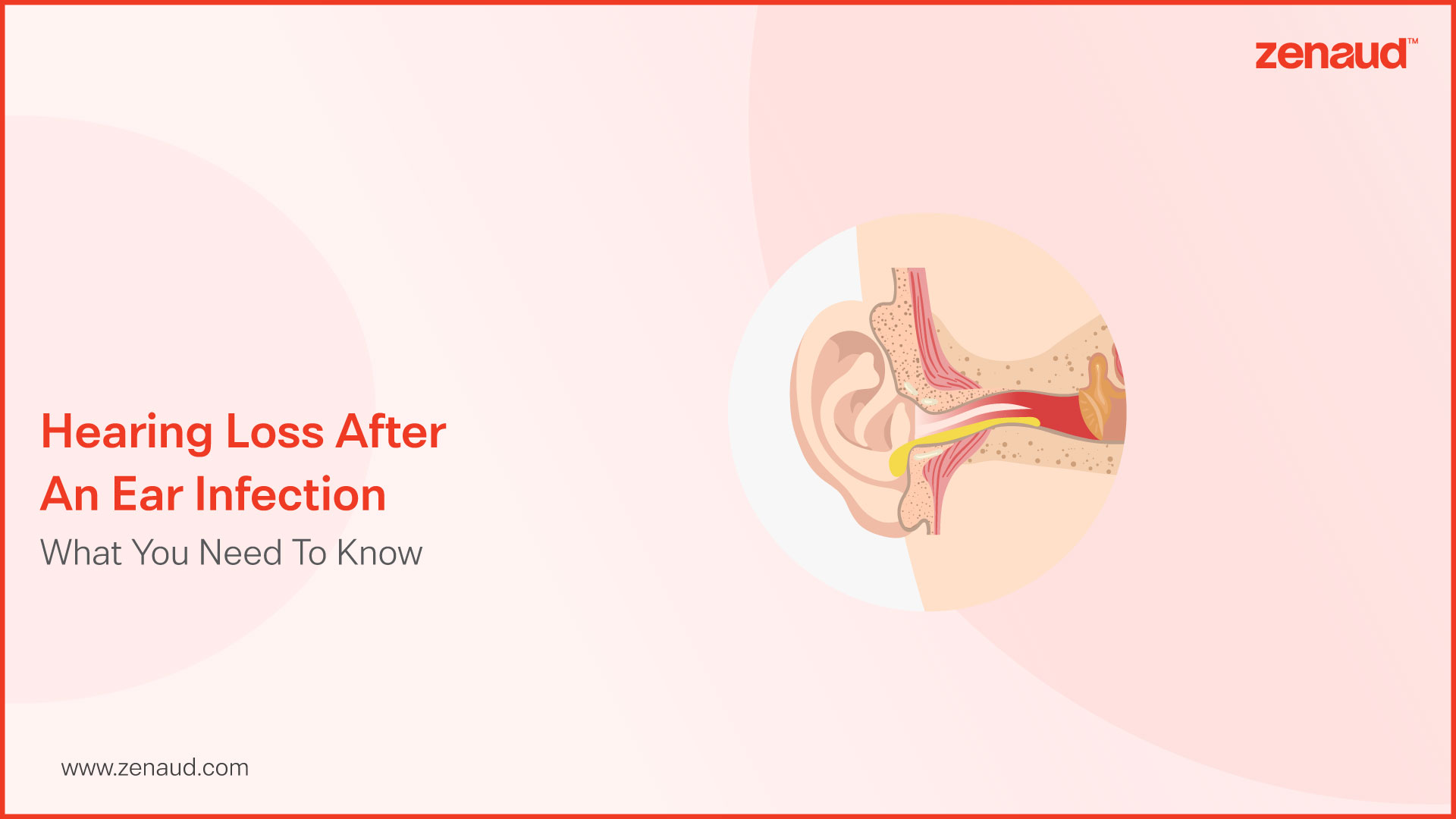
Hearing Loss After an Ear Infection: What You Need to Know
By Sri Sai Koti Chennupati | Aug. 17, 2026
Contact us
We are here for all your hearing needs, from hearing tests to hearing aids. Fill out the form below, and we will give you a call soon.
Recent Blogs
By Team Zenaud | Oct. 27, 2026
By Dattatreya M | Oct. 26, 2026
By Team Zenaud | Oct. 23, 2026
By Team Zenaud | Oct. 12, 2026
By Team Zenaud | Oct. 6, 2026