Generic
How Do Hearing Aids Detect Different Listening Environments?
By Team Zenaud | Nov. 18, 2026
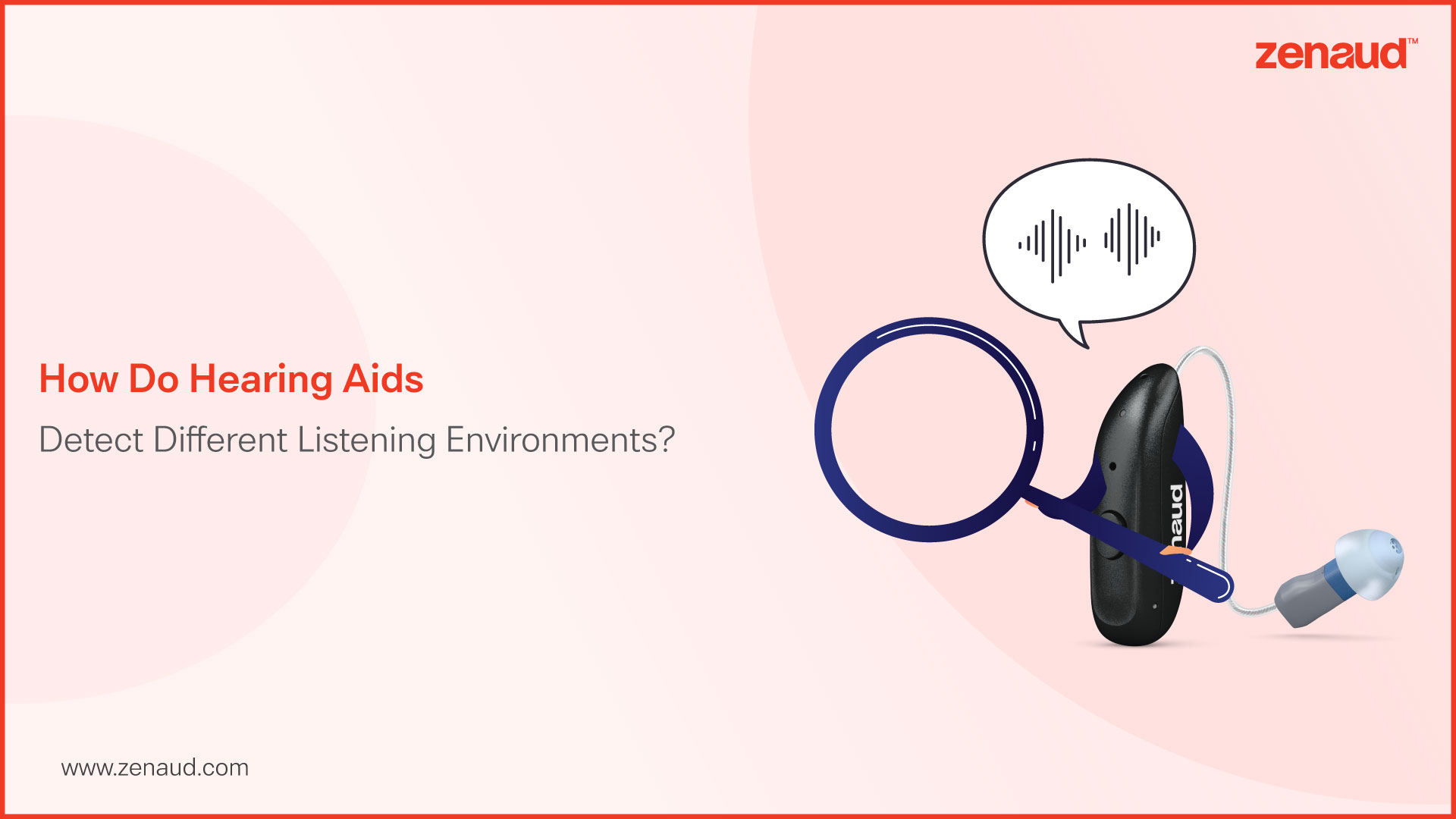
Consider the experience of moving from a quiet room into a crowded restaurant. Within seconds, the ears must manage a very different acoustic setting. Hearing aids face the same shift and must identify what has changed before they can respond. How they accomplish this is more methodical than most wearers realise.
Understanding Hearing Aid Environment Detection
Each device contains small microphones that continuously capture sound. A processor inside examines that sound many times every second, looking for clues about the surroundings. This is the foundation of hearing aid environment detection. Before the device alters any setting, it must first establish what kind of sound dominates the wearer's situation.
Acoustic Features Analysed by the Processor
Several features of incoming sound are measured together.
- Loudness: A quiet study and a busy street differ widely in overall sound level.
- Pitch balance: The spread of low, middle and high frequencies helps separate speech from sources such as traffic rumble.
- Rhythm: Speech rises and falls constantly, whereas a ceiling fan or a car engine produces a steady hum.
- Direction: Paired microphones reveal whether a voice is in front of the wearer or sound is arriving from behind.
- Speech against background: The gap between a voice and the noise around it is a telling measure.
A single reading rarely settles the matter. The picture becomes dependable only when these clues are weighed together.
Hearing Aid Environmental Classification
With these measurements available, the processor compares them against sound profiles held in its memory. Typical categories include speech in quiet, speech in noise, noise alone, music, wind and travel in a vehicle. Newer devices are often trained on large collections of real recordings through machine learning. They therefore tend to perform better in complex and variable settings than older systems that relied on simpler rules.
Automatic Adjustments Following Classification
Once the device has identified the setting, hearing aids automatically adjust several functions to suit it.
- Directional microphones favour a voice in front and reduce sound from behind.
- Noise reduction lessens steady background sound while preserving speech cues as far as possible.
- Wind management reduces the harsh rushing noise caused by air passing across the microphones.
- Feedback control reduces whistling when the device sits close to a hat, a phone or a scarf.
- Music mode adjusts processing so that melodies sound fuller and more natural.
These transitions are typically gradual. Most wearers do not notice the moment of change, which is precisely the intention.
The Value of Automatic Hearing Aid Settings
Wearers no longer need to press buttons each time they move from one place to another. This matters a great deal for older adults and for anyone with limited dexterity. Listening effort may also fall, since the brain is spared some of the work of separating speech from noise. Over a long day, this can make a noticeable difference to tiredness. Manual control remains available through a button or an app for those who prefer it.
Smart and Adaptive Devices
Connectivity has extended these capabilities further. Smart hearing aids pair with mobile apps, allowing wearers to adjust volume, programmes and directionality in real time. Adaptive hearing aids go a step beyond this. They record how a wearer adjusts settings in familiar places, such as a favourite café or the daily commute, and refine their responses over time. The device gradually learns the wearer's preferences instead of offering one fixed response to everyone.
Selecting a Suitable Device
Sophistication varies from one model to the next. Basic devices may identify only a few settings, while advanced ones separate many more and respond with finer precision. The right choice depends on hearing profile, daily routine and the places a person visits most. Frequent travellers, working professionals and those with busy social lives may gain more from higher tiers of hearing aid technology. A professional assessment remains the most reliable way to match a device to real needs. Anyone considering hearing aids for different environments should ask how well a model performs in their own most common situations.
Conclusion
Hearing aids measure loudness, pitch, rhythm and direction, compare these readings with known categories, and adjust accordingly. The outcome is clearer speech, reduced strain and far fewer manual changes through the day.
To learn more about hearing care and to speak with experienced professionals, visit zenaud.com.
Related Blogs
What Is Feedback Cancellation in Hearing Aids and How Does It Work?
By Team Zenaud | Nov. 16, 2026
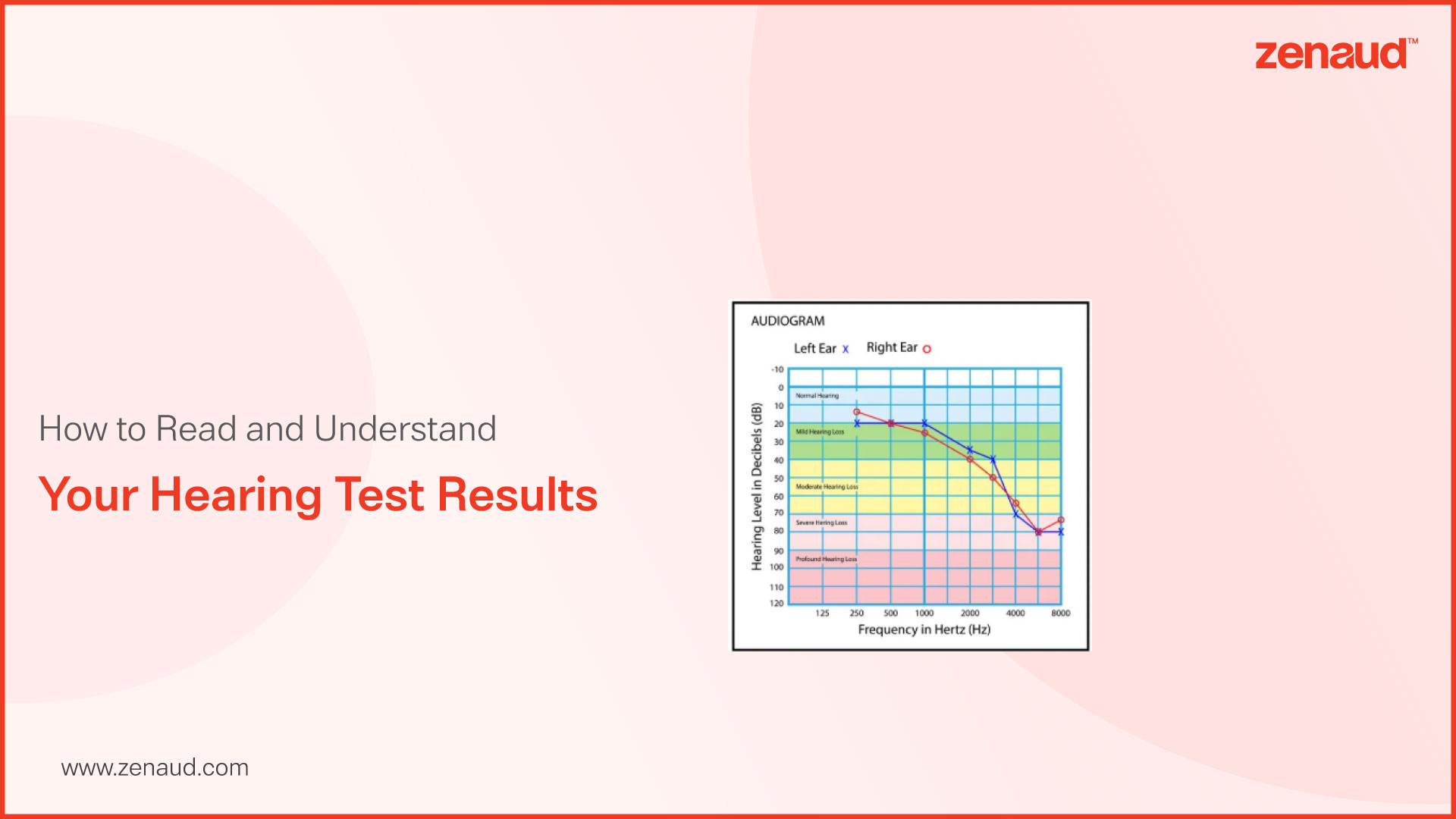
How to Read and Understand Your Hearing Test Results
By Sri Sai Koti Chennupati | Aug. 11, 2026
Contact us
We are here for all your hearing needs, from hearing tests to hearing aids. Fill out the form below, and we will give you a call soon.
Recent Blogs
By Team Zenaud | Nov. 23, 2026
By Team Zenaud | Nov. 20, 2026
By Team Zenaud | Nov. 16, 2026
By Team Zenaud | Nov. 12, 2026
By Team Zenaud | Nov. 9, 2026