HEARING AIDS
Hearing Aid Noise Reduction vs Noise Cancellation: What’s the Difference?
By Team Zenaud | Nov. 12, 2026
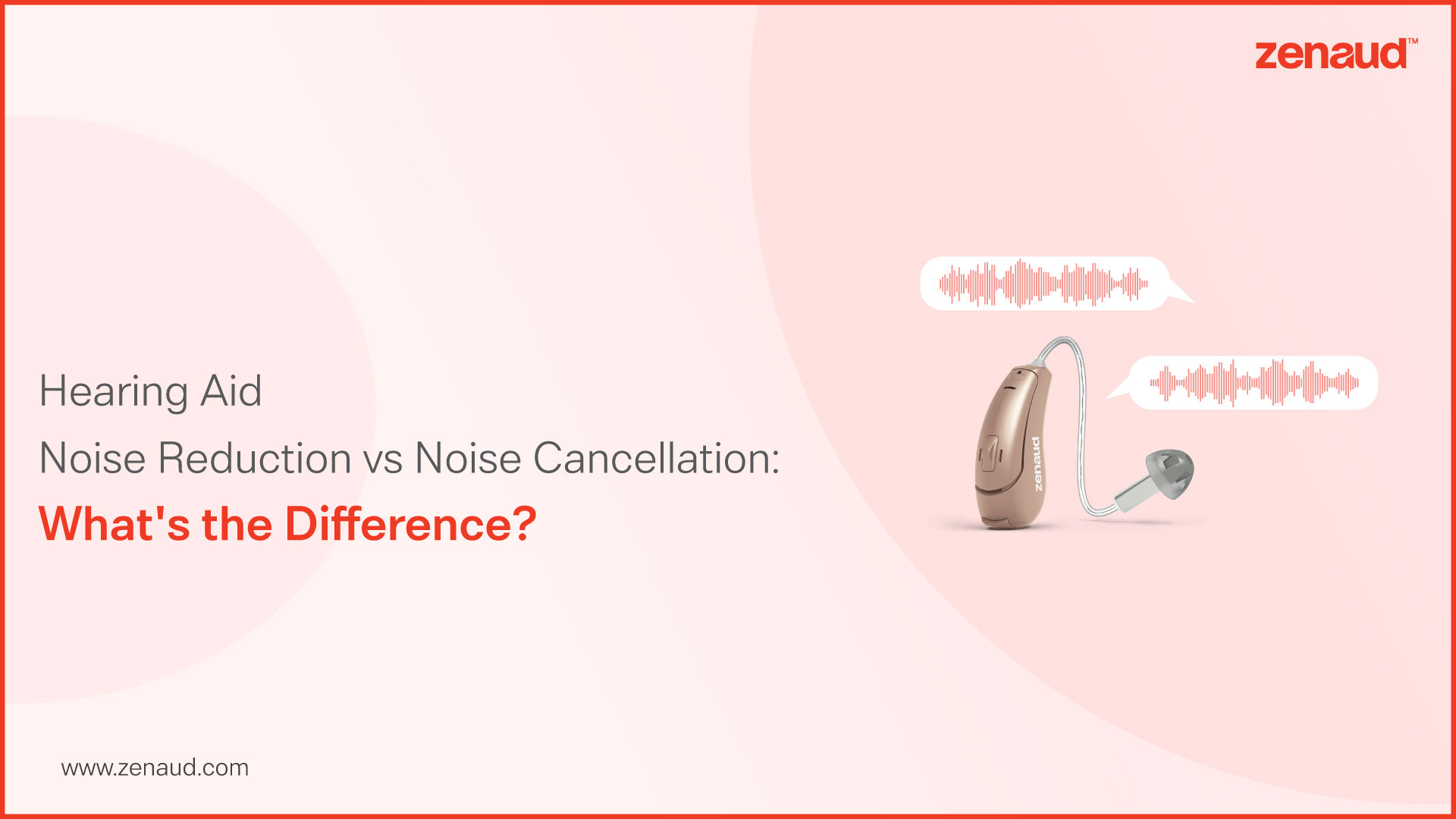
The two terms appear side by side in almost every discussion of hearing devices, and many people assume they describe the same feature. They do not. The difference is easy to overlook, yet it affects what you buy and what you can realistically expect from it.
Distinguishing the Two Terms
Active noise cancellation is best known from headphones. Microphones capture the sound around the listener, and the headphones then generate an opposing sound wave that offsets it. On a long flight, this noticeably reduces steady engine noise.
A hearing aid is asked to do something quite different. Its wearer needs to hear the person across the table, but also the doorbell, an approaching vehicle and a smoke alarm. Silence would remove all of that. Manufacturers therefore build their devices around noise reduction, and when a brochure promises hearing aid noise cancellation, it is usually borrowing a term from the headphone industry.
How Noise Reduction Operates
Inside the device, a processor continuously analyses incoming sound. Speech has a recognisable pattern, while a fan, an air conditioner or an engine produces a steadier one. Once the aid identifies those steady sounds as noise, it lowers their level and leaves the voice largely intact. This is the principle behind noise reduction in hearing aids, and several features support it:
- Digital noise suppression: reduces constant background sound without removing it.
- Directional microphones: favour sound from the front, where the speaker usually stands.
- Speech enhancement: emphasises the frequencies that carry vocal clarity.
- Wind and impact control: limits wind noise and sudden sounds such as dropped crockery.
The listener does not receive silence. The result is a calmer sound environment in which speech is easier to follow.
Why Complete Cancellation Is Avoided
People with hearing loss already miss many environmental cues, and removing the remainder would increase isolation and reduce safety, whether at a road crossing or in a kitchen. True cancellation also works best with a tightly sealed ear and requires considerable processing power, which is difficult to fit into a device small enough to wear all day. Anyone comparing noise cancellation hearing aids should therefore ask what the feature does and how it treats speech.
Performance in Everyday Settings
Quiet rooms place few demands on the technology. Restaurants are more difficult, and in such settings the directional focus of the device and its noise reduction work together to bring the voice opposite you forward. Outdoors, wind control becomes more important. In an office, steady machine noise is reduced, which may lessen the listening fatigue many wearers feel by evening.
Even so, no hearing aid removes every unwanted sound. Competing voices in a crowded room remain the greatest challenge. Higher-end models handle them better, though never perfectly, which is why hearing aids for background noise are best assessed in realistic conditions and not in a quiet clinic alone.
Selecting a Hearing Aid
Product labels reveal little about real performance. The following points are more informative:
- The number of processing channels, which influences how precisely sound can be adjusted across frequencies.
- The quality and adaptability of the directional microphones.
- Automatic adjustment as you move between environments.
- Support for hearing aid speech clarity in group conversations.
- Your own routine, since a retiree at home and a professional in an open office have different needs.
A hearing assessment is the appropriate starting point. Your audiogram, daily habits and comfort preferences all shape which technology level suits you. Fine-tuning after fitting is as important as the device itself, because settings can be adjusted to match how you experience sound. Good hearing aid noise management is, ultimately, a joint effort between the device and the audiologist.
Conclusion
Cancellation seeks to remove sound. Reduction seeks to manage it, lowering what distracts while preserving what matters. For someone who relies on a hearing aid, the second approach is both more practical and safer. Ask questions, test devices in real surroundings and seek professional advice.
Ready to find the right hearing solution? Visit zenaud.com to explore options and book a consultation.
Related Blogs
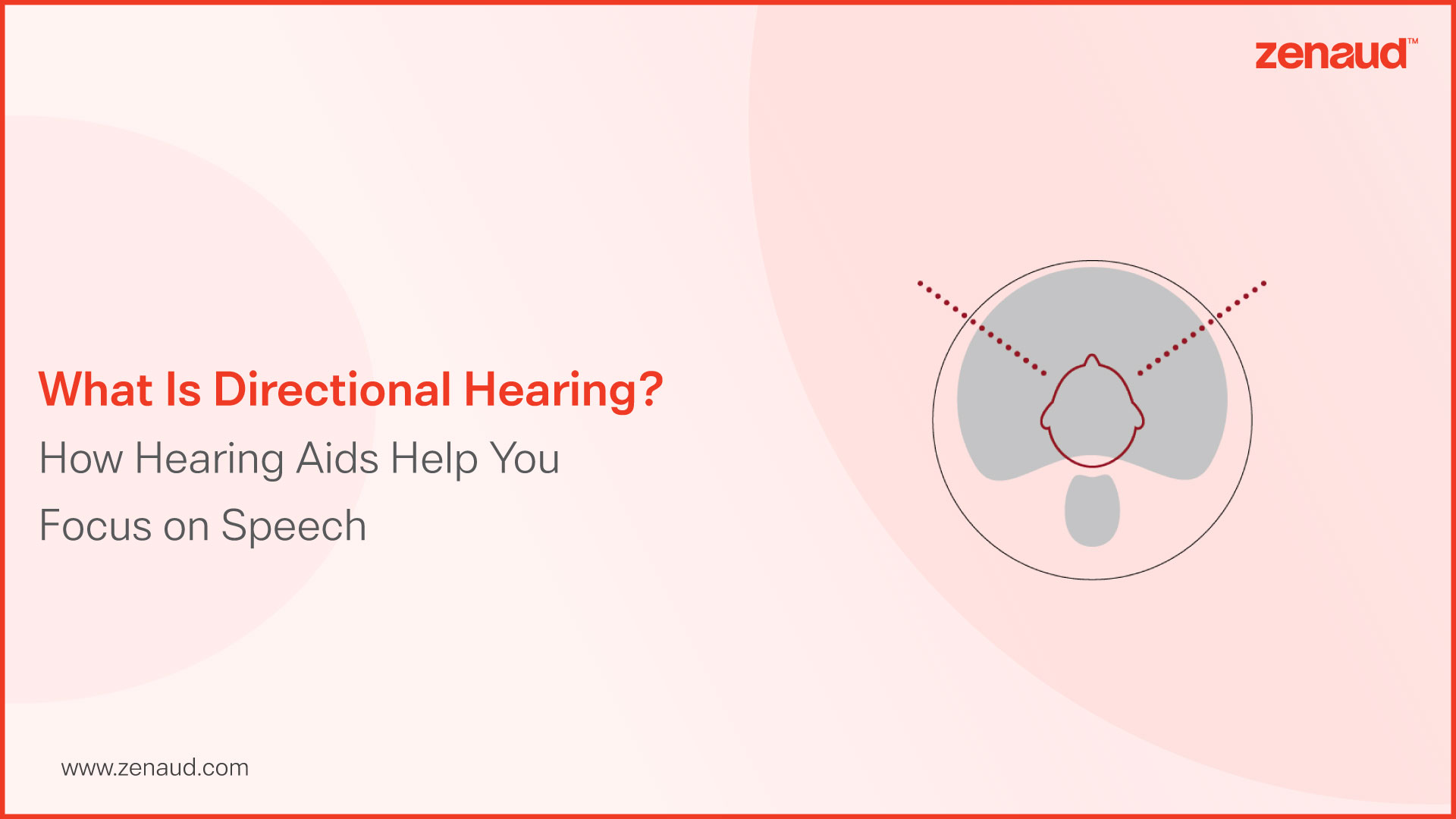
What Is Directional Hearing? How Hearing Aids Help You Focus on Speech
By Dattatreya M | Nov. 6, 2026
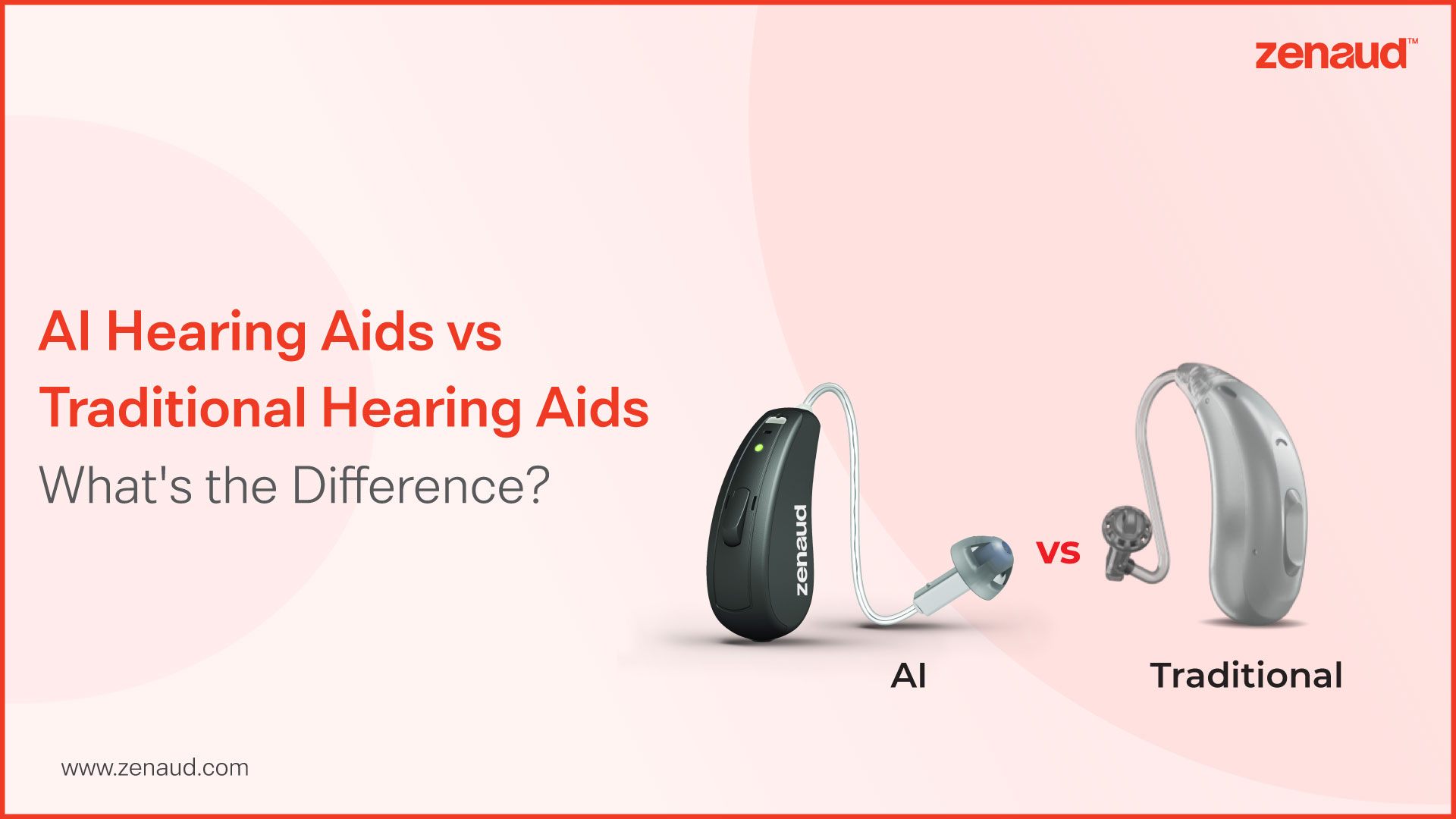
AI Hearing Aids vs Traditional Hearing Aids: What's the Difference?
By Sri Sai Koti Chennupati | Sept. 24, 2026
Contact us
We are here for all your hearing needs, from hearing tests to hearing aids. Fill out the form below, and we will give you a call soon.
Recent Blogs
By Team Zenaud | Nov. 9, 2026
By Dattatreya M | Nov. 6, 2026
By Sri Sai Koti Chennupati | Nov. 4, 2026
By Team Zenaud | Nov. 2, 2026
By Team Zenaud | Oct. 29, 2026