Generic
Hearing Aid Domes vs Ear Molds: Which Is Right for You?
By Team Zenaud | Oct. 12, 2026
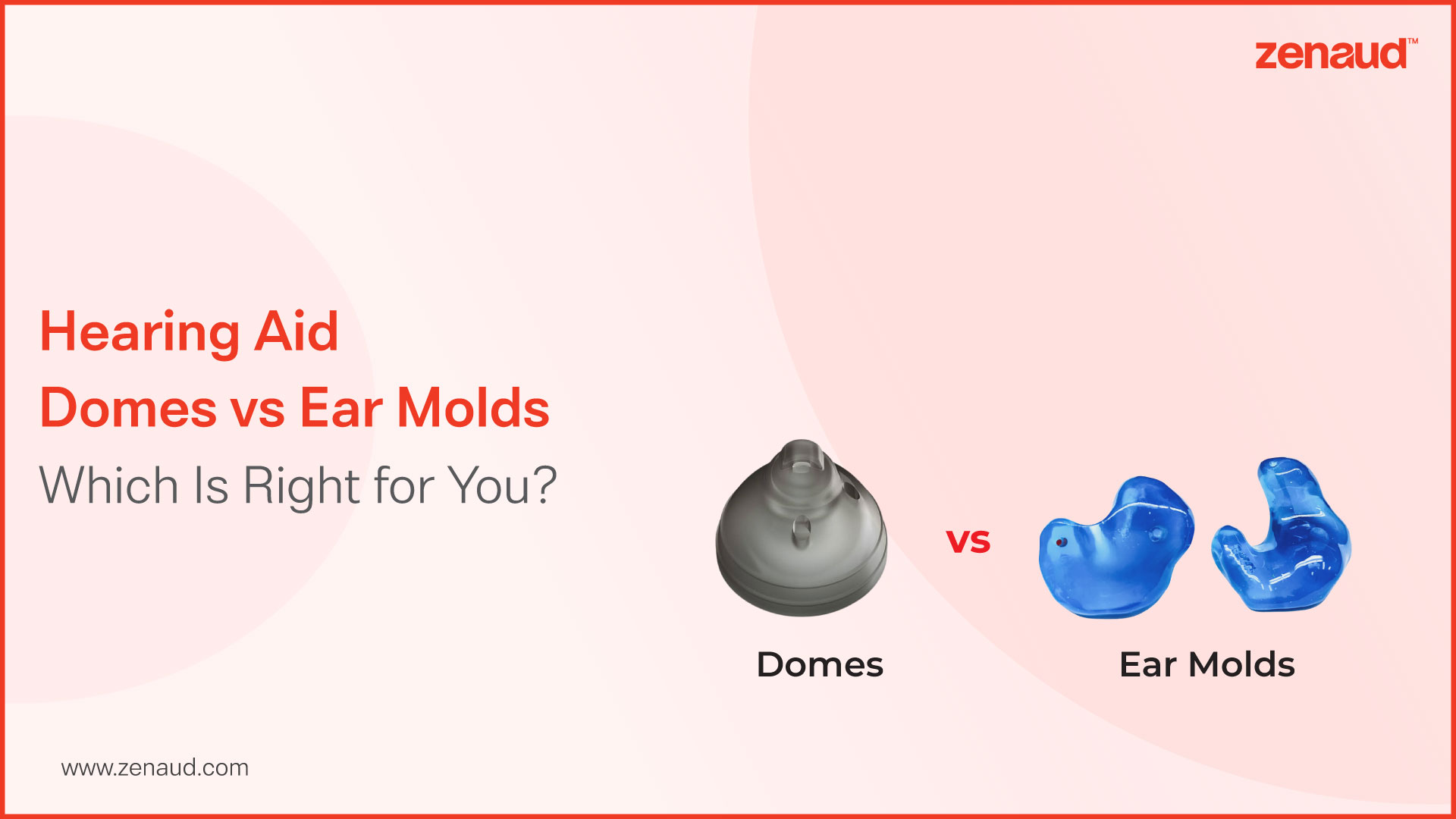
Most people compare hearing aid styles, features, and prices. Far fewer ask how the sound actually reaches the ear. That final link, the part that rests inside the canal, shapes clarity, comfort, and how long someone keeps wearing the device. It is usually either a dome or an ear mold, and the difference between them deserves a closer look.
Understanding the Two Components
A dome is a soft silicone tip that fits onto the end of a receiver-in-canal or behind-the-ear device. It comes in standard sizes and sits lightly within the canal. An ear mold is different. It is made from an impression of your own ear, so it follows the shape of your canal and outer ear closely. Both guide amplified sound inwards and keep the device steady. How they handle that sound is where they differ.
Dome Varieties and Their Uses
Domes are classified by how much they close off the canal.
- Open domes: These are vented, so low-frequency sound and air pass through naturally. Open dome hearing aids suit mild to moderate high-frequency loss, and the wearer's own voice tends to sound natural.
- Closed domes: These seal more of the canal, hold amplified sound in, and offer better support for low pitches. They are usually chosen for moderate loss.
- Power domes: These fit more snugly still and are meant for greater degrees of hearing loss.
Size plays an important role. The correct size is determined at the appointment and should not be guessed at home.
Situations That Favour Ear Molds
A standard tip cannot always meet the requirement. Custom ear molds are usually advised when:
- the hearing loss is severe to profound, since strong amplification raises the risk of feedback, commonly heard as whistling
- the canal is unusually shaped or sized, so a dome will not stay in place
- the wearer is a child, as growing ears need secure fittings that are easy to remake
- the wearer is very active and needs the device to remain steady
- silicone causes irritation or does not sit comfortably
Because a mold seals better and directs sound more precisely, it generally allows stronger amplification without feedback.
Comfort, Sound Quality, and Upkeep
Domes are lightweight, inexpensive, and easy to replace. Most are changed every one to three months, and many wearers manage this themselves. The open feel is often a relief for first-time users. Ear molds last longer, often two to five years in adults with proper care. They need regular cleaning and an occasional check, and a new one is required if the ear changes or the fit loosens. Children's molds are replaced more frequently as their ears grow. The process also takes more time at the start, since the impression must be taken and the mold made before the final fitting. As for sound, the degree of hearing loss usually decides the matter. Open designs keep things natural when the loss is mild. Sealed or custom options bring the power and feedback control that heavier losses require.
Choosing Between Them
Neither option is better in every case. The right one depends on:
- the type and degree of loss shown on your audiogram
- the shape and size of your canal
- your daily routine and activity level
- your comfort and skin sensitivity
- your budget and willingness to maintain the component
Someone with mild high-frequency loss is often well served by an open dome. Someone with advanced loss, or who cannot keep a standard tip in place, will usually find a custom mold more dependable. Audiologists sometimes begin with a dome and move to a mold if feedback or discomfort appears.
The Value of a Professional Hearing Aid Fitting
Even a well-made component performs poorly when chosen without assessment. A proper evaluation matches the sound path to your hearing profile and ensures the fit is secure without being tight. Follow-up visits allow small adjustments as your hearing or ear shape changes. Trial and error at home, or reliance on online guides, is rarely advisable. A short consultation with a qualified specialist can spare months of discomfort.
Take the Next Step with Zenaud
Better hearing begins with a good fit. Visit zenaud.com to explore hearing solutions and speak with experts who can guide you to the right fitting for your ears and your daily life.
Related Blogs
Why Do My Hearing Aids Keep Whistling? Causes and Solutions
By Sri Sai Koti Chennupati | Sept. 28, 2026
Occupational Hearing Loss: Protecting Your Hearing at Work
By Sharanya Krishnan - Audiologist | Aug. 25, 2026
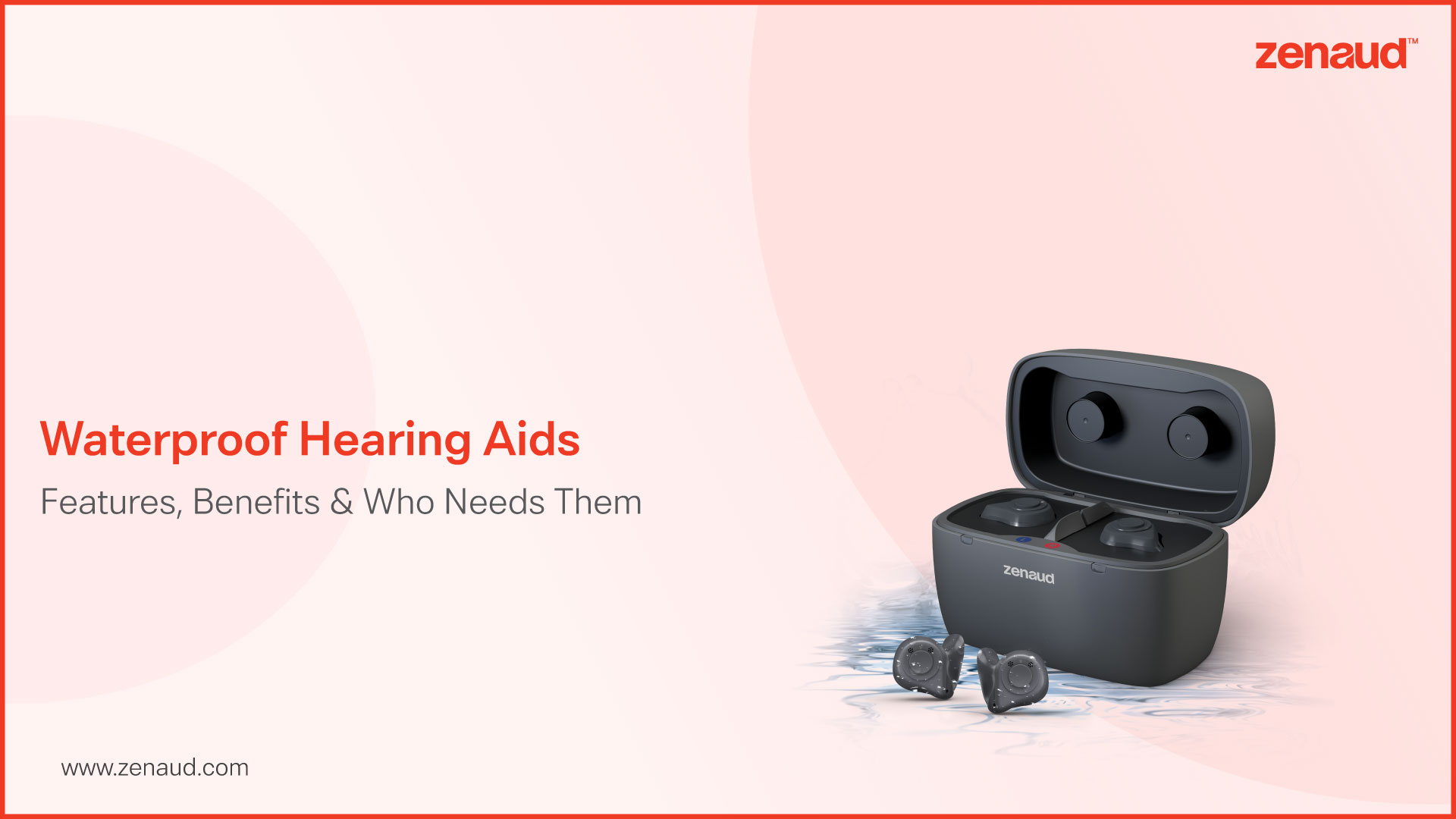
Waterproof Hearing Aids: Features, Benefits and Who Needs Them
By Team Zenaud | Aug. 3, 2026
Contact us
We are here for all your hearing needs, from hearing tests to hearing aids. Fill out the form below, and we will give you a call soon.
Recent Blogs
By Team Zenaud | Oct. 6, 2026
By Sharanya Krishnan - Audiologist | Oct. 3, 2026
By Dattatreya M | Sept. 30, 2026
By Sri Sai Koti Chennupati | Sept. 28, 2026
By Sri Sai Koti Chennupati | Sept. 24, 2026