HEARING AIDS
Waterproof Hearing Aids: Features, Benefits and Who Needs Them
By Team Zenaud | Aug. 3, 2026
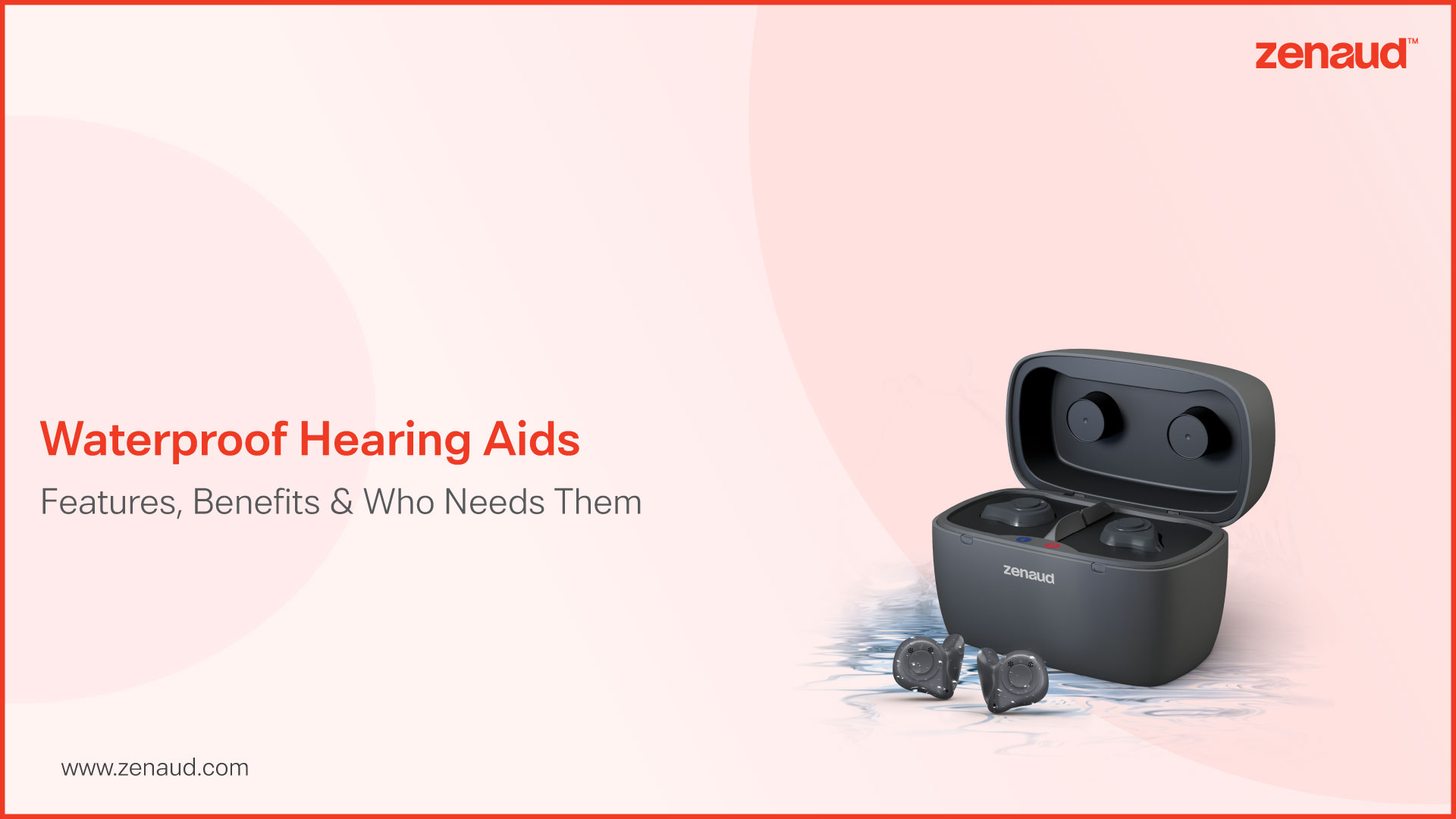
A hearing aid is not just an electronic device that sits behind or inside the ear. It travels with the wearer through sweaty gym sessions, sudden monsoon showers and every other unplanned moment where moisture finds its way in. This is precisely why waterproof hearing aids have become such a talking point among audiologists and users alike. They promise something older devices could rarely deliver: real protection against the everyday hazards of water.
Anyone who has opened a hearing aid case only to find it damaged after a splash of rain or a heavy workout knows how frustrating that experience can be. Understanding what these newer devices actually offer, and where their limits lie, is worth the time.
What "Waterproof" Actually Means
There is a difference between a device that is water resistant and one that is actually waterproof, and the two terms get mixed up far too often. Most hearing aids sold today fall into the water resistant category. They can handle sweat during a jog or a light drizzle on the walk home, but they are not built to survive a dunk in the pool.
True waterproof devices are a different story. These are engineered with sealed internal components and protective coatings that allow them to be submerged in water for a set period without failing. The distinction matters because a device marketed loosely as "water friendly" may not hold up the way a wearer expects.
To make sense of the protection level, manufacturers rely on an IP, or International Protection, rating. It appears as two digits. The first tells you how well the device resists dust and small particles. The second tells you how well it resists moisture. A rating like IP68 sits near the top of the scale, meaning the device can handle both dust exposure and extended time underwater.
Features Worth Checking Before You Buy
Not every device labelled as protective actually delivers on that promise. A few features tend to separate the dependable ones from the rest.
- Sealed casing with an internal nano coating that keeps moisture away from the circuitry
- Rechargeable hearing aids with enclosed charging ports, so there is no fumbling with tiny batteries in damp hands
- Reinforced housings that resist cracking, scratching or general wear from being worn all day, every day
- Processing chips capable of maintaining clear sound quality even in humid or high noise settings
- Built in drying vents or a companion dehumidifier case for overnight storage
Together, these hearing aid features do more than just keep the device dry. They extend how long it lasts and how consistently it performs, rain or shine.
Who Actually Needs This Level of Protection
Not everyone needs the highest waterproof rating available on the market, but several groups of people benefit far more than others.
- People with an active lifestyle, including swimmers, runners and anyone who trains outdoors regularly and sweats through their devices most days
- Residents of humid or coastal regions, where constant moisture in the air quietly wears down standard electronics over time
- Children, who are naturally less careful and more likely to end up in the rain, near a sink or splashing around during play
- Outdoor professionals such as farmers, construction workers and field staff who deal with sweat, rain and dust often within the same shift
- Older adults who may occasionally forget to remove their device before a shower
Why the Investment Pays Off
Choosing a device with strong moisture protection brings advantages that go beyond simply avoiding damage.
- Fewer repairs and lower long term maintenance costs
- Less anxiety about daily activities like exercise, travel or working outdoors
- More stable sound performance, since moisture remains one of the biggest reasons digital hearing aids lose clarity over time
- A longer usable lifespan, which translates into better value for the money spent
Protection Does Not Replace Maintenance
Even the best waterproof hearing aids still need a bit of everyday care. Wiping the exterior after use, storing the device in a dry case overnight and getting it professionally cleaned every so often all go a long way. Good hearing aid maintenance habits, paired with strong built in protection, is really what keeps a device performing well for years rather than months. Waterproofing lowers the risk of damage, but it was never meant to remove the need for basic upkeep.
Finding What Fits You
The right choice ultimately comes down to lifestyle, budget and personal hearing needs. Someone who swims daily has very different requirements from someone who mostly worries about the monsoon season. Speaking with a qualified audiologist before buying helps narrow down whether rechargeable functionality, rugged outdoor durability or simple everyday moisture resistant hearing aids make the most sense for you.
At Zenaud, our hearing care experts can help you choose a device that combines reliable protection with genuinely clear sound. Get in touch with us today and take the first step toward hearing support built for real life.
FAQ’s
1) Are there any hearing aids that are waterproof?
A) Most hearing aids are water-resistant, not fully waterproof.
2) Are there hearing aids you can wear while swimming?
A) No, hearing aids should be removed before swimming.
3) Are waterproof hearing aids more expensive?
A) Yes, models with higher water resistance typically cost more.
4) What is the 5 minute rule for hearing aids?
A) Wait 5 minutes after removing the battery tab before using the hearing aid.
Contact us
We are here for all your hearing needs, from hearing tests to hearing aids. Fill out the form below, and we will give you a call soon.
Recent Blogs
By Sri Sai Koti Chennupati | Aug. 11, 2026
By Team Zenaud | Aug. 6, 2026
By Team Zenaud | Aug. 1, 2026
By Sharanya Krishnan - Audiologist | July 28, 2026
By Dattatreya M | July 22, 2026
