Generic
Mucus in Ear
By Team Zenaud | March 10, 2026
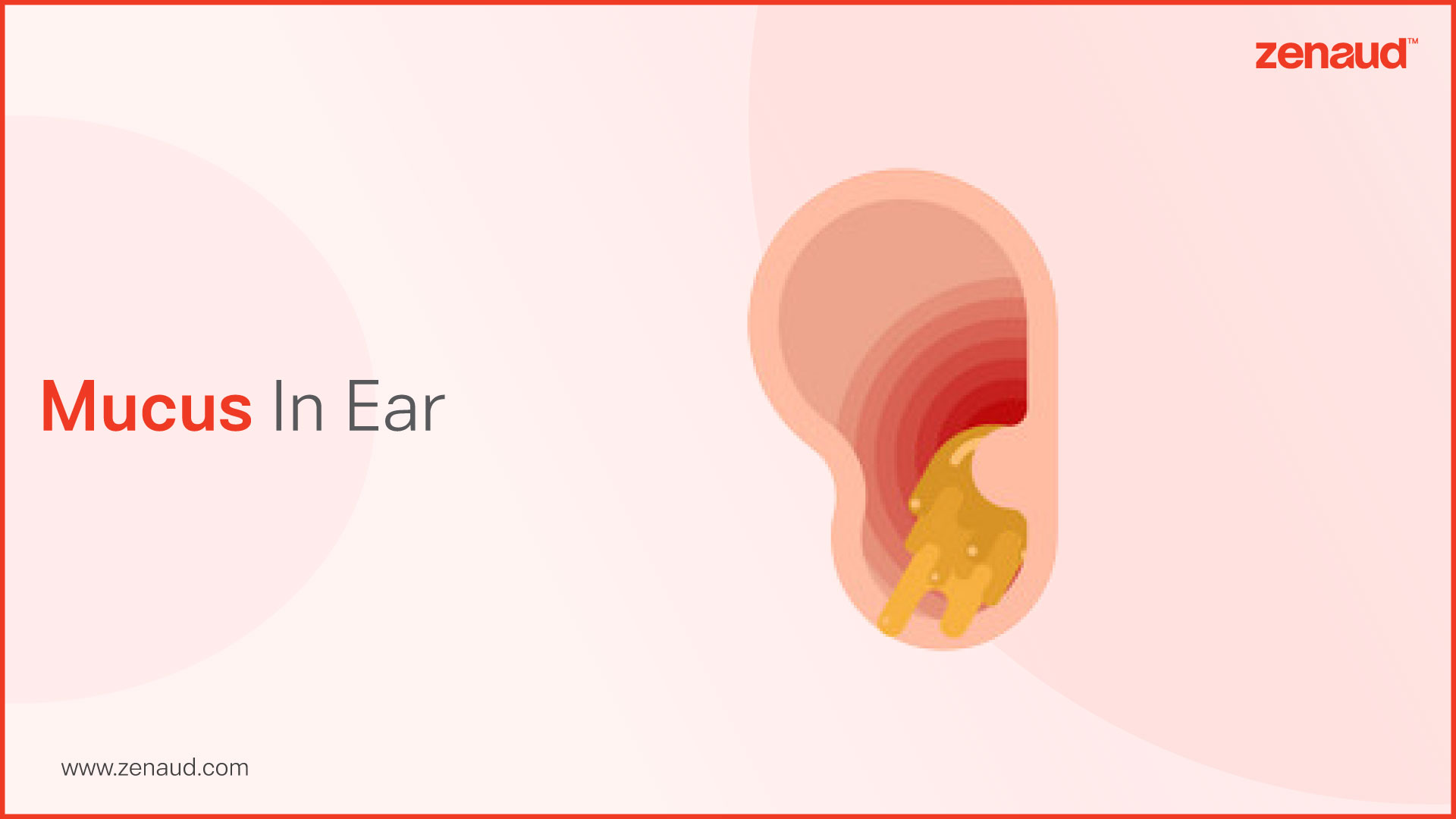
Mucus in Ear: What Your Body Is Trying to Tell You
That muffled feeling, the strange pressure, the sense that sound is travelling through cotton wool — if you've ever experienced mucus in ear, you know exactly how disruptive it can be. But what's actually going on inside your ear canal, and what should you do about it?
When Your Ears Become Unwilling Participants
Most people think of the ears as fairly self-contained organs — tidy little receivers sitting on the side of your head. But the reality is far more interconnected. Your ears don't exist in isolation; they're intimately linked to your nose and throat through a narrow passage called the Eustachian tube. So when something goes wrong in one part of your upper respiratory system, your ears often end up paying the price too.
Mucus in ear canals and middle ear cavities is more common than you might think. It tends to sneak up on people — first as a slight sense of fullness, then progressing into something that genuinely interferes with daily life. Understanding the causes, recognising the symptoms, and knowing how to respond can make all the difference.
What Causes Mucus to Build Up in the Ear?
Mucus doesn't just appear in your ear out of nowhere. It migrates there — usually as the result of inflammation, infection, or a dysfunction in the Eustachian tube. Here are the most common culprits:
Colds and Respiratory Infections
When you catch a cold, your body produces excess mucus to flush out the virus. This mucus can travel up the Eustachian tube and settle in the middle ear, causing what's medically known as otitis media with effusion — or more colloquially, "glue ear."
Allergies
Seasonal allergies and year-round sensitivities cause the mucous membranes in your nose and sinuses to become inflamed and overproductive. The resulting congestion doesn't stay politely in your nose — it spreads. This is one reason why mucus in ears, nose and throat tends to appear as a cluster of symptoms rather than an isolated problem.
Sinus Infections
A blocked sinus doesn't just cause facial pain and pressure — the inflamed passages that connect sinuses to the ear create the perfect environment for fluid to become mucus trapped in ear spaces, unable to drain properly.
Changes in Air Pressure
Flying, diving, or even driving up a steep mountain road can cause the Eustachian tube to temporarily malfunction, allowing fluid to shift in ways it shouldn't.
Recognising Mucus in Ears: Symptoms to Watch For
The tricky thing about mucus in ears symptoms is that they often masquerade as other conditions. Many people initially assume they're experiencing hearing loss, when in fact the culprit is fluid accumulation.
Common mucus in ears symptoms include:
- Muffled or reduced hearing. Sounds feel like they're coming from a distance, or as though you're underwater
- A sensation of fullness or pressure in the ear
- Crackling, popping, or clicking sounds when you swallow or move your jaw
- Mild earache or dull, persistent discomfort
- Tinnitus, a low hum, buzz, or ringing that seems to come from inside your head
- Dizziness or balance issues, because your inner ear plays a key role in spatial orientation
- Discharge from the ear. In some cases, fluid may drain out visibly
One particularly alarming variant is black mucus in ear discharge. While most ear mucus is clear, white, or yellowish, black mucus in ear can sometimes occur as a result of dried blood mixing with fluid, a fungal infection (otomycosis), or even the presence of earwax oxidising over time. If you notice this, don't ignore it — see a doctor promptly.
Worried your hearing hasn't bounced back after an ear infection or blocked ears?
Persistent muffled hearing could be more than just leftover mucus. At Zenaud, we offer expert hearing assessments to help you understand what's really going on.
The Mucus Everywhere Problem: Ears, Nose and Throat Together
If you're dealing with mucus in ears, nose and throat all at once, you're experiencing a systemic response rather than a localised issue. This usually points to an upper respiratory infection, sinusitis, or a significant allergic episode.
When mucus is overproduced throughout the upper airways, every connected cavity suffers. Your sinuses become congested, your throat gets that tell-tale postnasal drip, and your ears feel blocked and pressurised. Treating the underlying cause — not just the symptoms in each location — is key to finding genuine relief.
How to Clear Mucus in Ear: Your Options
So, how to clear mucus in ear build-up? The good news is that mild to moderate cases often resolve on their own, given time and the right conditions. However, there are several approaches that can help speed things along.
- Steam Inhalation
Breathing in steam from a bowl of hot water with a towel over your head, or a hot shower can help thin and loosen mucus throughout your upper respiratory tract, making it easier for your Eustachian tube to drain properly.
2. The Valsalva Manoeuvre
This is the technique where you close your mouth, pinch your nose shut, and gently blow. It helps equalise pressure in the middle ear and can encourage mucus to shift. Do it gently because too much force can cause damage.
3. Stay Hydrated
Drinking plenty of fluids helps keep mucus thin and mobile. Warm liquids like herbal teas, broths, warm water with honey are particularly effective.
4. Decongestants and Antihistamines
Over-the-counter decongestants can reduce inflammation in the Eustachian tube, making it easier for fluid to drain. If allergies are the underlying cause, antihistamines address the root of the problem. Always follow dosage instructions and consult a pharmacist if you're unsure.
5. Nasal Saline Rinses
Rinsing your nasal passages with saline solution clears mucus from the sinuses and reduces the supply that might otherwise find its way to your ears.
When to See a Doctor?
If symptoms persist for more than two or three weeks, worsen significantly, come with fever, or involve visible discharge (especially dark or black-coloured fluid), it's time to get professional advice. A GP can confirm whether you're dealing with an infection requiring antibiotics or a condition like glue ear that may need more specialised attention.
Prevention: Keeping Your Ears Clear
The best strategy for managing mucus in ear is to stop it accumulating in the first place. Keep on top of allergy management, treat respiratory infections promptly, stay hydrated, and avoid prolonged exposure to known irritants.
Your ears are delicate, remarkable instruments; treat them accordingly, and they'll reward you with a lifetime of clear, comfortable hearing.
Is Your Hearing Still Not Quite Right?
Sometimes, even after the mucus clears, hearing doesn't fully return to normal. Repeated ear infections, chronic fluid build-up, or simply years of unnoticed strain can leave a lasting impact on your hearing ability and many people don't realise it until it starts affecting their work, relationships, and quality of life.
If you've been struggling with muffled hearing, blocked ears, or that frustrating sense that you're missing parts of conversations, it may be time to get a proper assessment.
At Zenaud, we specialise in helping people understand and protect their hearing. Whether you're curious about your current hearing health or looking for the right solution, our team is here to guide you.
Take our free online hearing test
Your hearing matters. Don't put it off.
FAQs
How to clear mucus in ear?
Treat the underlying congestion with steam inhalation, hydration, and decongestants; if it persists, an ENT doctor should evaluate it.
Can mucus cause ringing in ears?
Yes, mucus buildup in the middle ear can block sound transmission and sometimes lead to temporary ringing (tinnitus).
How to thin mucus in middle ear?
Staying well-hydrated, using steam inhalation, saline sprays, and prescribed decongestants can help thin mucus.
How to cure mucus in ear herbal naturally?
Natural approaches like steam inhalation, warm compresses, and staying hydrated may help relieve mucus, but persistent symptoms should be checked by a doctor.
Contact us
We are here for all your hearing needs, from hearing tests to hearing aids. Fill out the form below, and we will give you a call soon.
Recent Blogs
By Team Zenaud | March 10, 2026
By Team Zenaud | March 10, 2026
By Team Zenaud | March 10, 2026
By Team Zenaud | March 10, 2026
By Team Zenaud | March 10, 2026
