Generic
How Hearing Loss Can Affect Communication in Relationships
By Sharanya Krishnan - Audiologist | Oct. 3, 2026
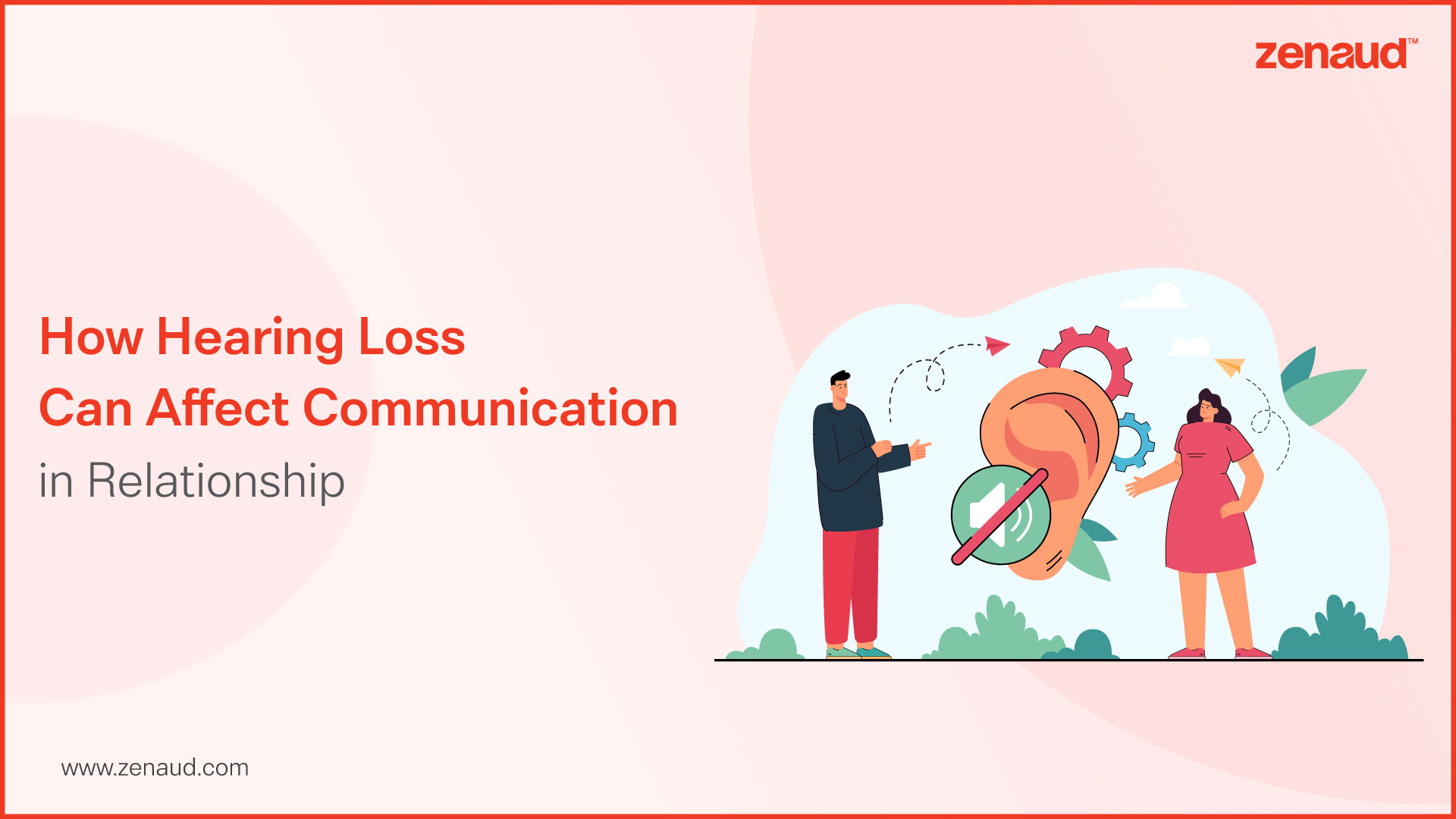
Conversation feels effortless until it suddenly isn't. A husband asks a question from the next room and receives no answer. A father laughs a beat too late at the dinner table because he missed the joke. Moments like these seem minor, yet they add up. Hearing loss and communication are closely linked, and when hearing declines, the closeness that depends on it can suffer.
How the Problem Begins
In most cases, hearing loss develops gradually over time. The decline is often gradual enough that the person experiencing it adapts without noticing the changes. The television volume increases, crowded restaurants become unbearable, and phone calls get handed to someone else. Family members tend to see the pattern first, while the affected individual often insists that others are mumbling. That gap in perception is where many disagreements begin.
Everyday Communication Difficulties
Because the signs are subtle, they are easily mistaken for inattention, stubbornness, or disinterest. Common communication difficulties with hearing loss include:
- Asking for repetition several times in a single conversation
- Answering a question that was never asked
- Missing details of plans, appointments, or instructions
- Avoiding gatherings or crowded places
- Speaking louder than usual without realising it
Each of these has a simple explanation, yet each can feel like a personal slight to the other person.
The Emotional Toll on Both Sides
Listening with hearing loss requires significant effort. The person must concentrate hard just to follow the thread. Many choose to nod along rather than admit they missed part of the conversation. This feels safer in the moment but usually creates greater confusion later.
The partner carries a different load. Repeating the same sentence several times a day wears on anyone, and feeling ignored can slowly turn into loneliness. Hearing loss affecting relationships in this way seldom signals a loss of love. What has weakened is the route by which it travels.
Effect on the Family
Children and grandchildren feel the change as well. A grandparent may not catch a small child's soft, high-pitched voice and so say less at family meals. Over time, hearing loss can affect family relationships through missed jokes, half-answered questions, and conversations that move on without the person who could not follow them.
Practical Ways to Improve Communication
A few consistent habits can make a difference. These communication tips for hearing loss help the speaker and the listener alike:
- Gain the person's attention before speaking
- Face them in good light so that expressions and lip movements are visible
- Switch off background noise, including the television
- Speak clearly at a steady pace, without shouting
- Rephrase a missed sentence instead of repeating it word for word
- Write down key information such as dates, times, and addresses
Knowing how to communicate with someone with hearing loss largely comes down to patience and a little planning. The person with reduced hearing can contribute by saying plainly that they struggle to hear and by explaining what helps them. An open conversation of this kind often achieves more than any technique.
The Role of Professional Hearing Care
Habits can only go so far. A hearing evaluation by a qualified audiologist establishes the type and degree of loss and points towards suitable treatment. Modern hearing aids are small, comfortable, and effective in the situations that cause the most strain, such as dinners and group conversations. Starting early matters. Early intervention helps the brain adapt more effectively to amplified sound and may improve long-term listening outcomes. With treatment and mutual effort, hearing impaired communication becomes something a couple or family can manage together.
Conclusion
Hearing loss changes how people listen, and it also changes how they feel understood. Viewing hearing loss and relationships in that light makes it easier to respond with empathy, adopt practical changes, and seek help in good time. When conversations become strained, the cause may be hearing difficulties rather than a lack of affection, and that can be addressed.
Ready for clearer conversations? Visit zenaud.com to book a FREE hearing assessment and find a solution suited to your needs.
FAQs
1) Can I live a normal life with moderate hearing loss?
A) Yes, with timely treatment and the right hearing support, most people continue to live active, independent lives.
2) How does hearing loss affect marriage?
A) Hearing loss can lead to communication challenges, but early intervention and understanding can strengthen relationships.
3) How to communicate with someone who has hearing loss?
A) Face them, speak clearly at a natural pace, and minimize background noise during conversations.
4) What are some signs that I might be going deaf?
A) Frequently asking people to repeat themselves, increasing the TV volume, and struggling to hear in noisy places are common early signs.

Sharanya Krishnan - Audiologist
Senior Manager – Training, Customer Experience & Business Development
With over 20 years of experience in hearing and speech healthcare. Passionate about client-centred care, I believe in a culture of empathy, trust, personalized support & focus on ensuring that every individual enjoys a seamless and fulfilling hearing care
Contact us
We are here for all your hearing needs, from hearing tests to hearing aids. Fill out the form below, and we will give you a call soon.
Recent Blogs
By Team Zenaud | Oct. 6, 2026
By Dattatreya M | Sept. 30, 2026
By Sri Sai Koti Chennupati | Sept. 28, 2026
By Sri Sai Koti Chennupati | Sept. 24, 2026
By Sri Sai Koti Chennupati | Sept. 21, 2026
